The Reality of Orthodontic Discomfort
When embarking on the journey towards a straighter smile with Invisalign Limerick, many patients find themselves curious about the sensations they’ll experience along the way. The process of tooth movement, whilst transformative, does involve a degree of discomfort that varies considerably from person to person. Understanding what these sensations mean and how to manage them effectively can make the entire experience far more comfortable and reassuring.
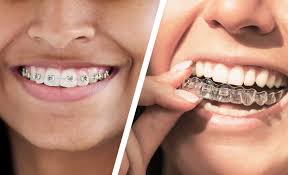
The discomfort associated with clear aligner treatment is fundamentally different from what one might experience with traditional metal braces. Rather than the sharp edges and periodic tightening sessions that characterise conventional orthodontics, aligner-based systems work through gentle, continuous pressure applied by precision-crafted plastic trays. This pressure initiates a biological process within the periodontal ligament and surrounding bone structure, ultimately allowing teeth to shift into their desired positions.
The Science Behind Tooth Movement Discomfort
To properly appreciate what discomfort signifies during orthodontic treatment, one must first understand the remarkable biological mechanisms at play. When aligners apply pressure to teeth, they trigger a cascade of cellular responses within the periodontal tissues. The inflammatory response during orthodontic tooth movement involves the release of various chemical mediators, including prostaglandins and cytokines, which facilitate bone remodelling.
This inflammatory process, whilst entirely normal and necessary, is responsible for the tenderness and pressure sensations patients experience. The discomfort typically peaks within the first two to three days after inserting a new set of aligners, as this is when cellular activity is most pronounced. Understanding that this sensation indicates the treatment is working as intended can provide considerable reassurance to those undergoing the process.
What Different Types of Discomfort Indicate
Pressure and Tightness
The most common sensation reported by patients is a feeling of pressure or tightness across the teeth, particularly noticeable when first inserting a new aligner. This sensation is entirely expected and indicates that the aligner is properly engaging with the teeth to create the necessary force for movement. Patients seeking treatment from a dentist will typically be advised that this pressure should feel firm but not unbearable.
Tenderness When Chewing
Another frequently experienced sensation is tenderness when biting down or chewing food, particularly during the first few days with a new aligner. This occurs because the teeth are slightly mobile within their sockets as the bone remodels around them. The periodontal ligament becomes compressed on one side and stretched on the other, creating sensitivity to biting forces. This is a temporary phenomenon that typically subsides as the teeth settle into their new positions.
Sharp or Cutting Sensations
Occasionally, patients may experience sharp sensations from the edges of aligners rubbing against the gums, cheeks, or tongue. Unlike the pressure-related discomfort discussed above, this type of irritation is mechanical rather than biological. It can usually be addressed by carefully filing down any rough edges or applying orthodontic wax to problem areas. Such sensations should not be dismissed as normal treatment discomfort and warrant attention from one’s orthodontic provider.
Effective Pain Management Strategies
Fortunately, there are numerous evidence-based approaches to managing discomfort during clear aligner treatment. Research into biological mechanisms and clinical management of orthodontic pain has identified several effective strategies that patients can employ.
Over-the-counter pain relief medications, such as paracetamol, can be taken as directed to manage discomfort during the initial adjustment period. Cold compresses applied to the outside of the jaw can help reduce inflammation and numb the area. Additionally, consuming softer foods during the first few days with each new aligner set reduces the stress placed on tender teeth whilst chewing.
Some practitioners recommend inserting new aligners in the evening, allowing the most intense period of discomfort to occur during sleep. Studies examining patient pain perception during clear aligner therapy have shown that this timing strategy can significantly improve the overall treatment experience.
Recognising When Discomfort Requires Professional Attention
Whilst some degree of discomfort is normal and expected, certain symptoms warrant immediate consultation with an orthodontic professional. Severe, persistent pain that doesn’t diminish after several days, signs of infection such as swelling or fever, or damage to the soft tissues of the mouth should never be ignored. Those undergoing Invisalign treatment should maintain open communication with their provider throughout the process, ensuring any concerns are promptly addressed and the journey towards a confident smile remains as comfortable as possible.