Understanding the Complex Relationship Between Jaw Alignment and Joint Health
The human jaw is a remarkably intricate structure, and when dental alignment goes awry, the consequences can extend far beyond cosmetic concerns. Temporomandibular joint disorders, commonly known as TMJ disorders, affect millions of people worldwide, causing pain, discomfort, and reduced quality of life. What many individuals fail to recognise is the profound connection between orthodontic alignment and the health of the temporomandibular joint itself. This relationship has garnered increasing attention from dental professionals, such as an orthodontist in London, and researchers alike, revealing that the position of one’s teeth can significantly influence jaw joint function.
The temporomandibular joint serves as a hinge connecting the jawbone to the skull, facilitating essential functions such as chewing, speaking, and yawning. When teeth are misaligned, the jaw must compensate for these irregularities, often placing undue stress on the joint and surrounding musculature. Over time, this compensatory mechanism can lead to inflammation, pain, clicking sounds, and restricted movement. Research has demonstrated that malocclusion, or improper bite alignment, frequently correlates with TMJ symptoms, suggesting that addressing orthodontic issues may provide relief for those suffering from joint-related discomfort.
How Malocclusion Contributes to TMJ Disorders
Malocclusion encompasses various forms of dental misalignment, including overbites, underbites, crossbites, and crowding. Each of these conditions can alter the way the upper and lower teeth meet, forcing the jaw to adopt unnatural positions during closure. Studies examining the relationship between dental occlusion and TMJ dysfunction have found that patients with significant bite discrepancies often experience higher rates of joint disorders compared to those with properly aligned teeth.
When the teeth do not fit together harmoniously, the muscles responsible for jaw movement must work harder to achieve proper function. This muscular strain can manifest as tension headaches, facial pain, and difficulty opening or closing the mouth fully. Additionally, the uneven distribution of forces across the joint can accelerate wear and tear on the cartilage, potentially leading to degenerative changes over time. Consulting with an experienced orthodontist can provide valuable insights into whether one’s bite alignment may be contributing to TMJ-related symptoms.
Orthodontic Treatment as a Therapeutic Approach
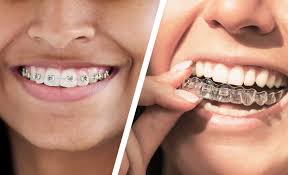
The encouraging news for those experiencing TMJ disorders is that orthodontic intervention can often provide substantial relief. By correcting dental misalignment, orthodontic treatment addresses one of the underlying factors contributing to joint dysfunction. Braces, clear aligners, and other orthodontic appliances work to reposition teeth gradually, allowing the jaw to function in a more natural and balanced manner. This realignment can reduce muscular tension, alleviate pressure on the joint, and restore proper biomechanics to the entire craniofacial system.
Various orthodontic approaches have demonstrated effectiveness in managing TMJ symptoms. Traditional braces remain a reliable option for comprehensive alignment correction, whilst clear aligner systems offer a more discreet alternative for suitable candidates. In some cases, functional appliances designed specifically to address jaw positioning may be recommended. Orthodontic treatment for TMJ disorders requires careful assessment and individualised planning to ensure optimal outcomes for each patient’s unique circumstances.
The Importance of Comprehensive Assessment
Not all TMJ disorders stem from orthodontic issues, which is why a thorough diagnostic evaluation proves essential. Dental professionals must consider multiple factors, including medical history, lifestyle habits, stress levels, and anatomical variations. Advanced imaging techniques and bite analysis tools enable practitioners to identify the specific contributors to a patient’s symptoms. Research into TMJ disorders and their multifactorial nature emphasises the importance of this holistic approach to diagnosis and treatment planning.
Patients experiencing jaw pain, clicking, or restricted movement should seek professional evaluation rather than assuming their symptoms will resolve independently. Early intervention can prevent progression to more severe joint damage and improve treatment outcomes significantly. A multidisciplinary approach involving orthodontists, physiotherapists, and other specialists may prove beneficial for complex cases.
Moving Forward with Informed Dental Care
The connection between orthodontic alignment and temporomandibular joint health represents a crucial consideration for anyone experiencing jaw-related symptoms. Understanding this relationship empowers individuals to seek appropriate care and explore treatment options that address root causes rather than merely managing symptoms. With advances in orthodontic technology and growing awareness of TMJ disorders, patients now have access to more effective and comfortable treatment solutions than ever before. Recognising the signs early and consulting with qualified dental professionals can make a substantial difference in long-term jaw health and overall wellbeing.